


Gambling is, at its simplest, putting something of value at risk because you believe you might receive something of value in return. Usually, the outcome is uncertain and chance plays an important role. That could mean placing a bet on a football match, spinning a roulette wheel, buying a lottery ticket, playing a slot machine, […]
Gambling is, at its simplest, putting something of value at risk because you believe you might receive something of value in return. Usually, the outcome is uncertain and chance plays an important role. That could mean placing a bet on a football match, spinning a roulette wheel, buying a lottery ticket, playing a slot machine, or entering a poker game. The important point is that you are risking money or another valuable stake for a possible prize. In Great Britain, government guidance describes gambling broadly as betting, gaming, or playing lotteries.
How Gambling Actually Works
The basic setup is fairly straightforward. A player provides a stake, takes part in an activity with an uncertain result, and may receive a payout if the result goes their way. The uncertainty is what separates gambling from simply buying something. If you spend £10 on a meal, you receive the meal you paid for. If you spend £10 on a bet, there is no guaranteed return. You could win, lose the entire stake, or sometimes receive a partial return depending on the rules. This is why checking the rules, odds, potential payouts, and minimum stake before playing is a practical habit rather than something to worry about later.
Main Types of Gambling
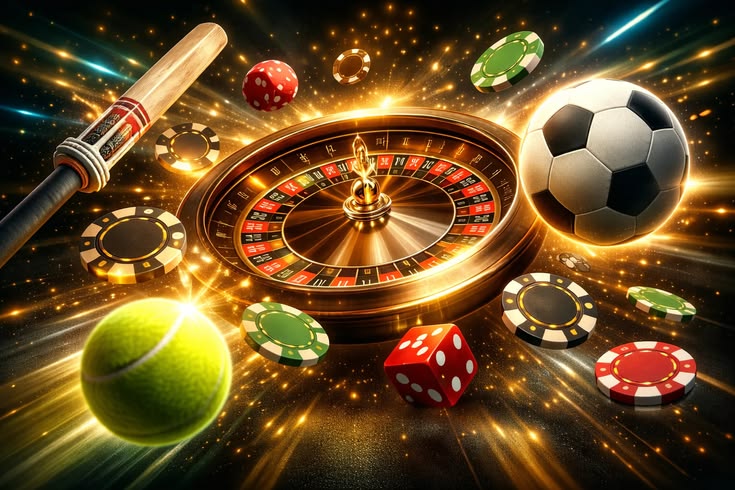
Gambling comes in several forms, but most activities fit into a few familiar categories. Betting involves predicting the outcome of something such as a sporting event or race. Gaming covers activities such as roulette, blackjack and slots, where chance can determine or heavily influence the result. Lotteries work differently because prizes are allocated through a chance-based process after people pay to participate. The UK Gambling Commission, for example, identifies payment, a prize and chance as key elements of a lottery.
Chance, Skill and the House Edge
Not every gambling activity is purely random. Poker can involve decision-making and strategy, while sports betting may involve research and analysis. However, having skill does not guarantee a winning result. In many casino games, the operator also has a mathematical advantage known as the house edge. That means the game is designed so that, over a large number of plays, the operator expects to retain a portion of the money wagered. Roulette is a clear example of a game where chance is central, while poker contains both skill and chance.
Gambling Today
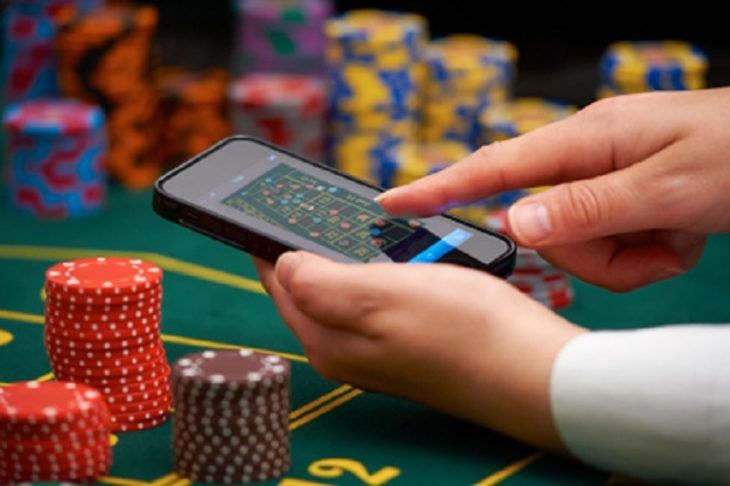
Gambling is no longer limited to betting shops and physical casinos. Online platforms allow people to place bets or play games through computers and mobile devices. Recent Gambling Commission figures show how widespread participation is in Great Britain: 47% of adults reported gambling during the 12 months from January 2025 to January 2026.
Understanding what gambling actually involves is the first step to making sensible decisions. Before spending money, know what you are risking, understand the rules, check the relevant laws in your location, and treat gambling as paid entertainment rather than a reliable way to make income. Most importantly, never stake money you cannot comfortably afford to lose.